
Therapeutic Exercise Chicago
Comprehensive Chiropractic & Wellness delivers customized therapeutic exercise programs at our Lincoln Square, Chicago office. Dr. Jeffrey Haynes designs corrective exercise protocols that strengthen weak areas, improve mobility, correct postural imbalances, and prevent future injuries for patients throughout Chicago's North Side. Call (312) 658-0658 to start your program.
Professional Corrective Exercise & Rehabilitation Services in Lincoln Square
Comprehensive Chiropractic & Wellness provides customized therapeutic exercise programs to patients throughout Chicago, Lincoln Square, North Center, and Ravenswood. Our experienced chiropractors design evidence-based exercise protocols to relieve pain, restore function, correct movement patterns, and prevent future injuries.
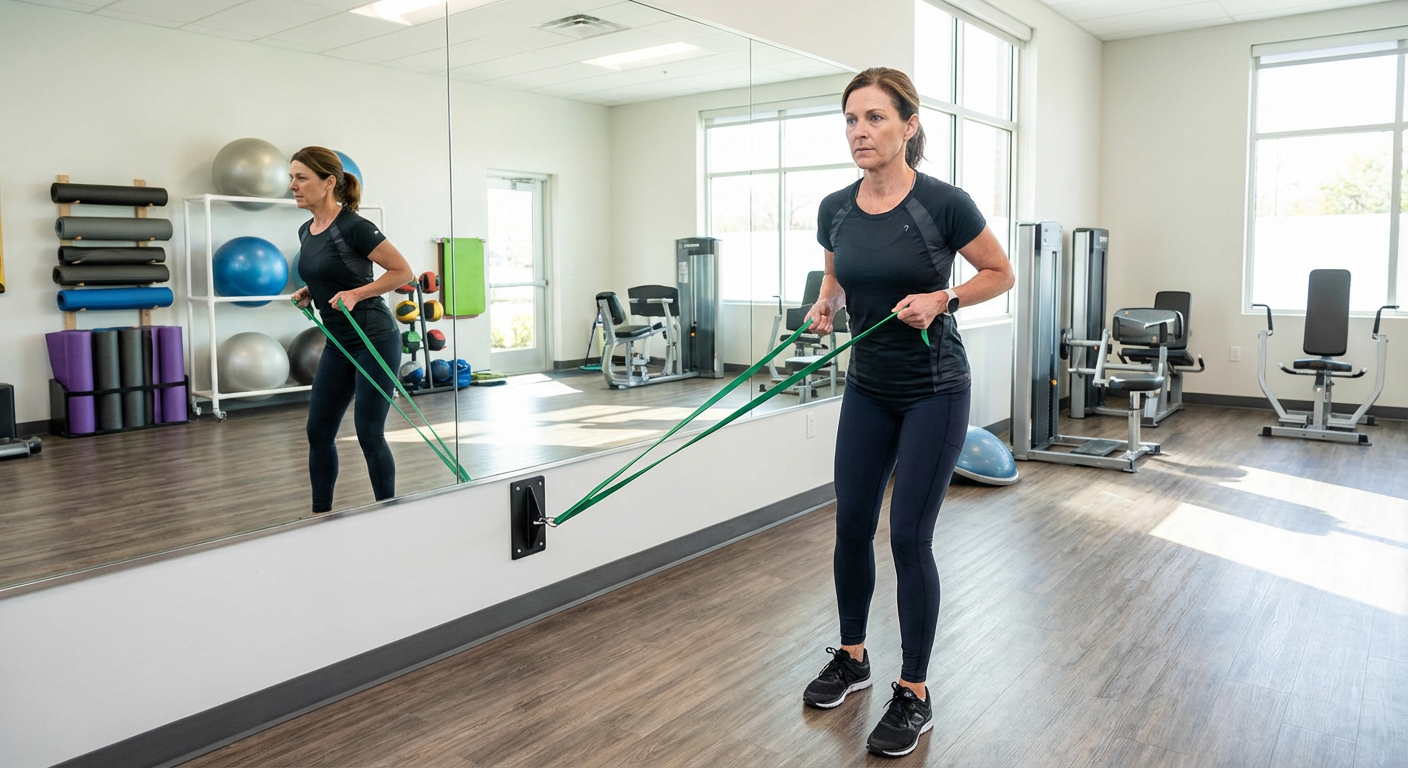
What Is Therapeutic Exercise?
Therapeutic exercise (also called corrective exercise or rehabilitation exercise) consists of specific, targeted movements and activities prescribed by healthcare professionals to restore proper function, reduce pain, improve strength and flexibility, and correct dysfunctional movement patterns.
Unlike general fitness exercise, therapeutic exercise addresses specific musculoskeletal problems, biomechanical imbalances, and functional limitations identified through clinical examination.
How Therapeutic Exercise Works
Conditions Treated with Therapeutic Exercise
Our Chicago chiropractors use therapeutic exercise to treat:
Spine & Back Conditions
- Lower back pain
- Upper back pain
- Chronic back pain
- Post-surgical rehabilitation
- Herniated disc recovery
- Bulging disc management
- Sciatica
- Spinal stenosis
- Spondylolisthesis
- Postural dysfunction
- Core weakness
Neck & Shoulder Conditions
- Neck pain and stiffness
- Whiplash recovery
- Cervical radiculopathy
- Forward head posture
- Rotator cuff injuries
- Shoulder impingement
- Frozen shoulder (adhesive capsulitis)
- Thoracic outlet syndrome
- Shoulder instability
Hip & Lower Extremity
- Hip pain and weakness
- SI joint dysfunction
- Hip flexor tightness
- Gluteal amnesia (weak glutes)
- Knee pain and instability
- Patellofemoral pain syndrome
- ACL/MCL rehabilitation
- Ankle sprains and instability
- Plantar fasciitis
- Achilles tendinopathy
Upper Extremity
- Elbow pain (tennis/golfer's elbow)
- Wrist pain and weakness
- Carpal tunnel syndrome rehabilitation
- Hand and finger injuries
Postural & Movement Disorders
- Forward head posture
- Rounded shoulders
- Anterior pelvic tilt
- Flat back syndrome
- Gait abnormalities
- Balance problems
- Functional movement limitations
Sports & Chronic Conditions
- Sports injury rehabilitation
- Athletic performance enhancement
- Movement optimization
- Injury prevention
- Return-to-sport protocols
- Arthritis management
- Degenerative disc disease
- Fibromyalgia
- Chronic pain syndromes
Types of Therapeutic Exercise
Comprehensive Chiropractic & Wellness incorporates multiple therapeutic exercise types customized to each patient's needs and functional goals.
Stretching Exercises
Lengthening tight, shortened muscles to restore normal range of motion and reduce muscle tension.
Types:
- •Static stretching (holding positions)
- •Dynamic stretching (controlled movement through range)
- •PNF stretching (proprioceptive neuromuscular facilitation)
- •Active isolated stretching
Strengthening Exercises
Building muscle strength and endurance to support joints, improve posture, and enhance function.
Types:
- •Isometric exercises (muscle contraction without movement)
- •Isotonic exercises (movement against resistance)
- •Eccentric exercises (lengthening under load)
- •Bodyweight exercises
- •Resistance band exercises
- •Weight training
Core Stabilization Exercises
Strengthening deep core muscles (transverse abdominis, multifidus, pelvic floor, diaphragm) to support the spine and improve overall stability.
Types:
- •McGill Big 3 (curl-up, side plank, bird dog)
- •Dead bug variations
- •Planks and anti-rotation exercises
- •Pelvic floor exercises
- •Breathing exercises
Balance & Proprioception Training
Improving body awareness, coordination, and stability to prevent falls and injuries.
Types:
- •Single-leg standing exercises
- •Balance board/BOSU exercises
- •Unstable surface training
- •Dynamic balance challenges
Functional Movement Training
Exercises mimicking real-life activities to improve daily function and reduce injury risk.
Types:
- •Squat patterns
- •Hinge patterns (deadlift)
- •Pushing and pulling movements
- •Rotational movements
- •Gait training
Range of Motion Exercises
Gentle movements to maintain or restore joint mobility.
Types:
- •Passive range of motion
- •Active-assisted range of motion
- •Active range of motion
- •Joint mobilization exercises
Neuromuscular Re-education
Retraining the nervous system to activate muscles properly and move efficiently.
Types:
- •Muscle activation exercises
- •Movement pattern correction
- •Coordination drills
- •Motor control training
Postural Exercises
Correcting postural imbalances and training proper alignment.
Types:
- •Chin tucks
- •Wall angels
- •Scapular retraction exercises
- •Hip flexor stretches
- •Thoracic extension exercises
Therapeutic Exercise Treatment Process
Initial Assessment
- Functional Movement Assessment - Evaluation of how you move, identifying compensations and dysfunctions
- Muscle Testing - Strength testing to identify weak, inhibited muscles
- Flexibility Assessment - Range of motion testing to identify tight, restricted areas
- Posture Analysis - Static and dynamic posture evaluation
- Pain Provocation Testing - Identifying movements that increase or decrease symptoms
- Goal Setting - Discussing functional goals and desired outcomes
- Exercise Program Design - Creating customized exercise prescription
Exercise Instruction & Training
- Proper Technique Education - Detailed instruction on correct form and movement patterns
- Hands-on Guidance - Physical cuing and correction during exercise performance
- Progressive Loading - Gradual advancement as strength and function improve
- Home Exercise Program - Written and/or video instructions for exercises to perform at home
- Equipment Recommendations - Suggestions for minimal home equipment if needed
Follow-up & Progression
- Regular Re-assessment - Tracking progress with objective measurements
- Program Modification - Adjusting exercises based on response and progress
- Challenge Advancement - Increasing difficulty as function improves
- Transition Planning - Moving from rehabilitation to performance or maintenance
Benefits of Therapeutic Exercise
Patients participating in therapeutic exercise programs at our Chicago clinic experience:
Pain Relief Benefits
- Reduced pain intensity and frequency
- Decreased reliance on pain medication
- Improved pain-free movement
- Prevention of pain recurrence
Functional Benefits
- Increased strength and endurance
- Improved flexibility and mobility
- Better balance and coordination
- Enhanced ability to perform daily activities
- Faster return to work or sport
Postural Benefits
- Corrected postural imbalances
- Reduced forward head posture
- Improved spinal alignment
- Better ergonomic positioning
Performance Benefits
- Enhanced athletic performance
- Improved movement efficiency
- Increased power and speed
- Better endurance
Long-term Benefits
- Reduced injury recurrence
- Slowed degenerative processes
- Maintained independence
- Improved quality of life
- Better overall health and fitness
Psychological Benefits
- Increased confidence in movement
- Reduced fear of re-injury
- Improved body awareness
- Greater sense of control over health
Therapeutic Exercise Safety & Considerations
Safety Guidelines
- Start slowly and progress gradually
- Never exercise through sharp or increasing pain
- Maintain proper form over speed or repetitions
- Breathe normally (don't hold breath)
- Stop if symptoms worsen
- Communicate any concerns with your chiropractor
Common Temporary Effects
- Mild muscle soreness (normal adaptation response)
- Temporary fatigue
- Slight increase in awareness of problem areas
These effects typically resolve within 24-48 hours and indicate proper muscle engagement.
When to Modify or Avoid
- Acute inflammation or swelling
- Severe pain
- Recent surgery (follow surgeon's protocols)
- Uncontrolled cardiovascular conditions
- Dizziness or balance problems requiring medical clearance
We modify exercises based on individual limitations, tolerance, and healing stage.
Therapeutic Exercise vs. Other Treatment Approaches
Therapeutic Exercise vs. General Exercise
Therapeutic Exercise vs. Physical Therapy
Therapeutic Exercise vs. Personal Training
Therapeutic Exercise vs. Passive Treatment Alone
Therapeutic Exercise Treatment Plans
Acute Injury Recovery Plan
Chronic Condition Management Plan
Postural Correction Plan
Sports Performance Plan
Maintenance/Prevention Plan
All treatment plans are customized based on individual assessment findings, goals, and response to exercise.
What to Expect During Your Therapeutic Exercise Sessions
Before Your Session
- Wear comfortable, athletic clothing
- Bring athletic shoes
- Eat a light meal 1-2 hours before
- Arrive hydrated
- Bring any relevant medical records or imaging
During Your Session
- Warm-up activities
- Instruction on proper exercise technique
- Supervised exercise performance with corrections
- Progressive challenge based on your response
- Cool-down and stretching
- Questions and discussion
After Your Session
- Mild muscle soreness is normal
- Continue home exercise program as prescribed
- Track your symptoms and progress
- Apply ice if recommended (typically 15-20 minutes)
- Stay hydrated
Between Sessions
- Perform home exercises as prescribed
- Track completion and any reactions
- Note any changes in symptoms
- Prepare questions for next visit
Home Exercise Programs
Every therapeutic exercise patient receives a customized home exercise program.
What's Included
- Written exercise descriptions with photos
- Video demonstrations (when applicable)
- Specific sets, repetitions, and frequency
- Progression guidelines
- What to watch for (warning signs)
Home Exercise Equipment
Most exercises require minimal or no equipment. Recommended items:
- Resistance bands (provided or inexpensive)
- Small exercise ball or pillow
- Foam roller (optional)
- Yoga mat (optional)
Adherence Tips
- Schedule exercises like appointments
- Start with just 10-15 minutes daily
- Link exercises to existing habits
- Track completion
- Focus on quality over quantity
- Communicate challenges with your chiropractor
Therapeutic Exercise Cost & Insurance
Pricing
Therapeutic Exercise Session (standalone): $75-$95
Includes assessment, instruction, supervised exercise, and home program updates
Combined with Chiropractic Adjustment: $85-$110
Most patients combine therapeutic exercise with adjustments for optimal results
Initial Therapeutic Exercise Assessment: $125
Includes comprehensive movement assessment and custom program design
Exercise Package Pricing:
- • 10-session package: 10% discount
- • 20-session package: 15% discount
Insurance Coverage
Many insurance plans cover therapeutic exercise when prescribed by a chiropractor and deemed medically necessary. Coverage varies by plan.
We verify your insurance benefits before starting treatment so you understand your coverage and out-of-pocket costs.
Payment Options
- Insurance (we bill directly)
- HSA/FSA cards accepted
- Cash/check
- All major credit cards
- Payment plans available
Frequently Asked Questions About Therapeutic Exercise
Why Choose Comprehensive Chiropractic & Wellness for Therapeutic Exercise
Individualized Exercise Prescription
Every program is customized based on comprehensive movement assessment, not generic protocols. Your exercises address YOUR specific dysfunctions and goals.
Expert Instruction & Supervision
Our chiropractors ensure proper form and technique, maximizing results while preventing injury from improper execution.
Integration with Chiropractic Care
Therapeutic exercise combined with chiropractic adjustments produces superior results compared to either treatment alone.
Evidence-Based Approach
We use research-supported exercises and functional movement principles, not trends or gimmicks.
Clear Home Programs
You receive detailed written and/or video instructions for home exercises, eliminating confusion about what to do between sessions.
Progress Tracking
We measure and document your progress with objective assessments, showing you exactly how you're improving.
Comprehensive Wellness Focus
Exercise prescription considers your nutrition, sleep, stress, and overall lifestyle for optimal results.
Therapeutic Exercise Near You
Ready to Start Your
Wellness Journey?
Take the first step toward better health. Contact us today to schedule your consultation or learn more about our services.
Visit Us
4526 N. Lincoln Ave,
Chicago, IL, 60625
Call Us
(312) 658-0658
Mon-Fri, 10am-7pm
Email Us
DrJeffreyHaynes@gmail.com
We respond within 24 hours
Hours
Mon-Thu: 10am-7pm, Fri: 10am-5pm
Sat: By Appointment
Book an Appointment
Schedule your visit using the form below.